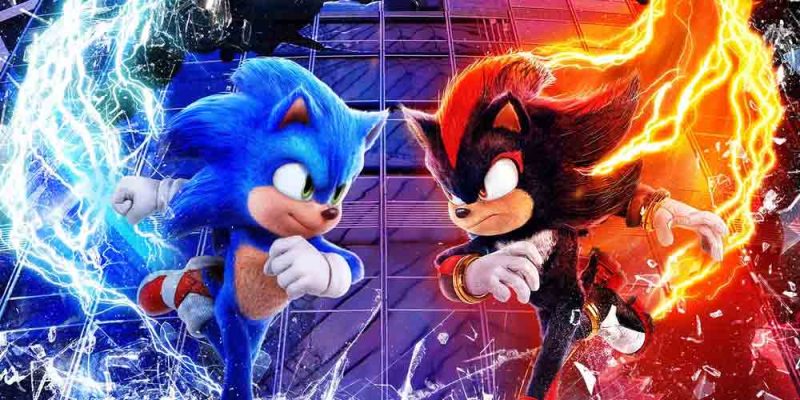
Whether it is video games, cartoons, advertising, TV shows, or movies, animation has become a huge part of how we consume media. This is because content creation has always been in the hands of artists, even from the Renaissance Period of Europe, and has evolved. With pioneers taking art to its next stages, due to new technologies like the camera, television, cell phones, and now A.I., animation is here to stay in both its 2D and 3D forms. However, not all forms of animation are created equal.
Know the Purpose
Knowing the purpose for how you want your animation to look and move is essential, and not as simple as it sounds. Whether you use pixels (squares) or vectors (dots), it will have a certain effect on how the end project looks and can be modified over time.
Type of Animation
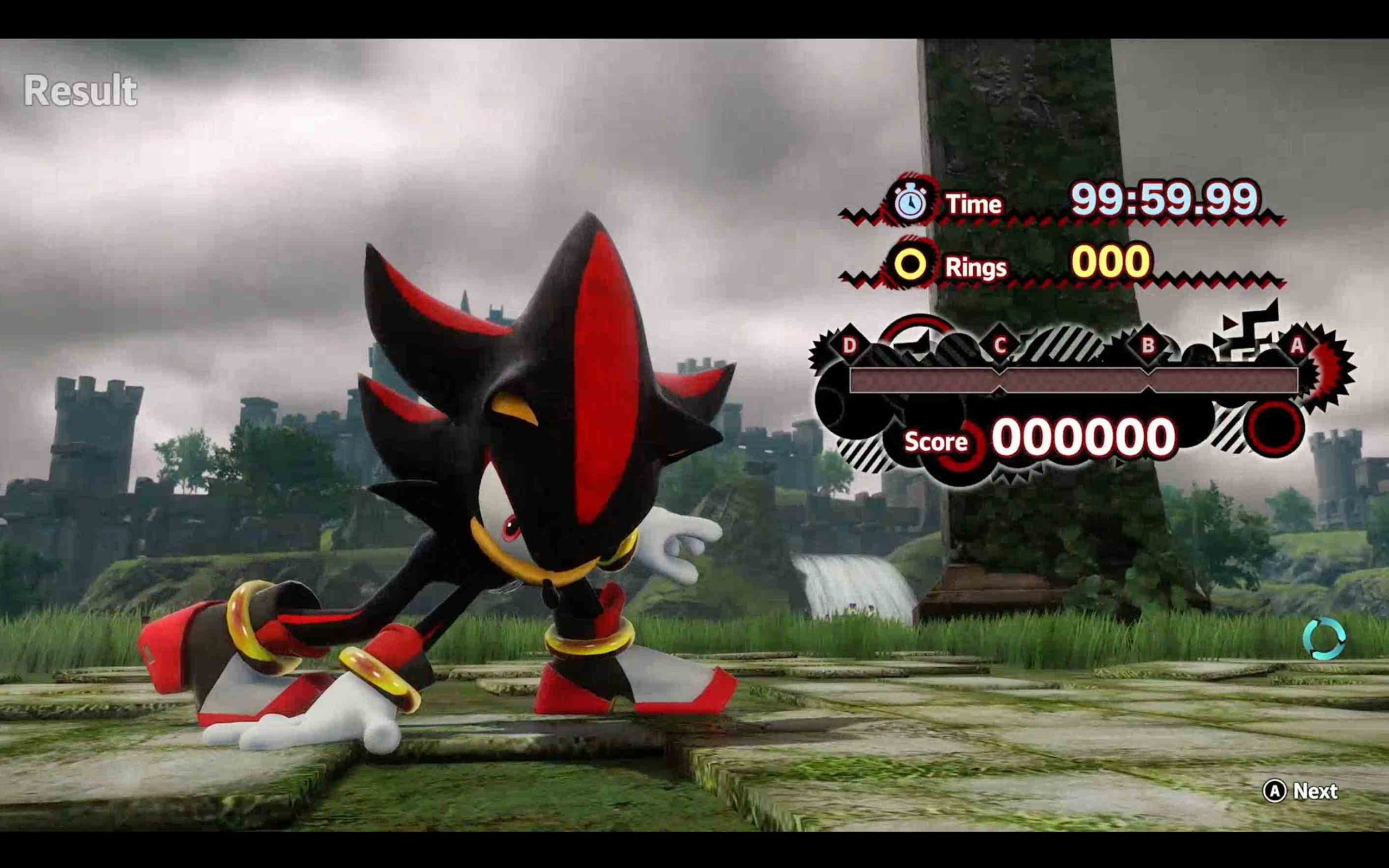
Although pixels and vectors are the building blocks, the biggest issue in animation and solidifying a budget is determining the type of animation we will be using, which is often confused with the technique or style. In determining the type, we have to first make a choice on how we want it to look and move, but with more details than knowing vectors and pixels. Whether the imagery runs smoothly or if it is jerky in motion, or whether we can see seamlessly in a full 360-degree approach, means the difference between the type of animation and your budget. This is one of the main reasons why a project falls under budget, thereby requiring more capital.
The Types of Animation are:
- 2D Animation
- 3D Animation
- Advanced 2D Animation aka Hybrid
- Advanced 3D Animation
- CEL Animation
2D Animation is defined by simple imagery, mostly done in vectors, that moves from side to side, without any jerky movements. Movement is not in 360 degrees, and they are known for being front or back facing only at a time.
3D Animation is known for smooth motion and a high level of detail as it relates ot the three-dimensional space. There is a sense of depth, use of dynamic lighting techniques and camera moves, and movement can be done in 360 degrees smoothly.
Advanced 2D Animation is a Hybrid of both 2D and 3D Animation types, when it comes to imagery and movement. Due to this, a combination of different software will work together in order to achieve a more customized feel of the end product. As a result, Advanced 2D Animation will borrow from every category that utilizes its techniques.
Advanced 3D Animation takes into account the aspect of realism as it relates to the final project. It borrows from 3D, but different tools that illustrate texture, other visuals, and movement in a more real-life approach are used to achieve the final product.
CEL Animation is Traditional Animation. In execution, it can be done by hand on celluloid or on computer programs that utilize either vectors or pixels as the main source of detail. It is known for having slightly jerky movement, which would require a lot of in-betweening to create the desired level of smoothness in motion. This is the most laborious of all the animation types.
Knowing how and when to use these different types will help you gain a better view of the time of execution, while staying on budget.
The Animation Style
Depending on your movement of choice and appearance, will correlate to the technique the animation will be executed, which can cause an increase in costs and time of execution and delivery. This is where the major hiccup on a production budget will emanate from. It is important to understand the difference between a Type of Animation versus a Technique or Style of Animation. For example:
CEL Animation is a type of animation because it focuses on a 2D animation result, but it is also a technique because it focuses on the method of execution, either on a drawing program or drawing by hand on celluloid, frame by frame. The reason this is justified as a type is because of its ability to be incorporated amongst the other kinds of animation as a whole.
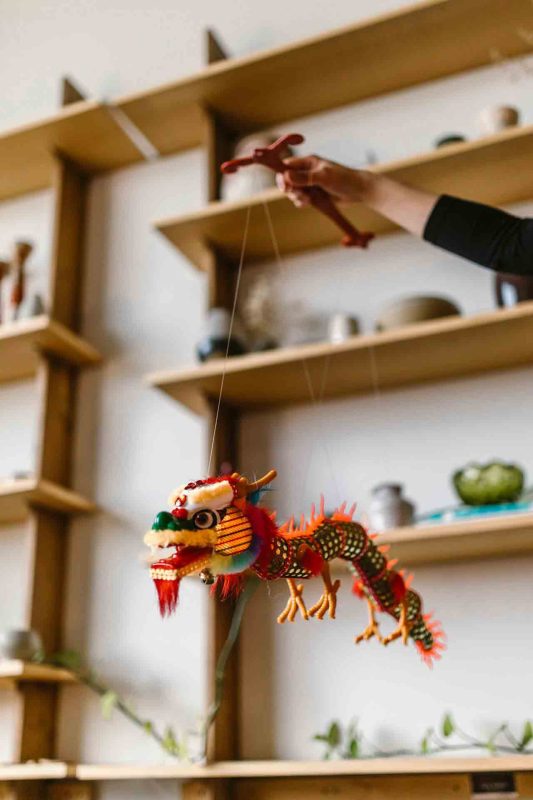
Stop Motion Animation is a technique where physical 3D models are manipulated on camera in real-time to achieve a 3D animation look. These objects would have movable parts similar to those of an action figure, or they would be made of clay, which is known as Claymation.
Rotoscope is a process where live footage is traced frame by frame to illustrate the same movement and visual of the subject matter in question.
Motion Capture is the process of capturing a person’s movement in real-time, and then migrating that recorded movement into the computer space, which is mostly used for 3D Animation. This shortens the process of creating rigs and moving each part in like fashion.
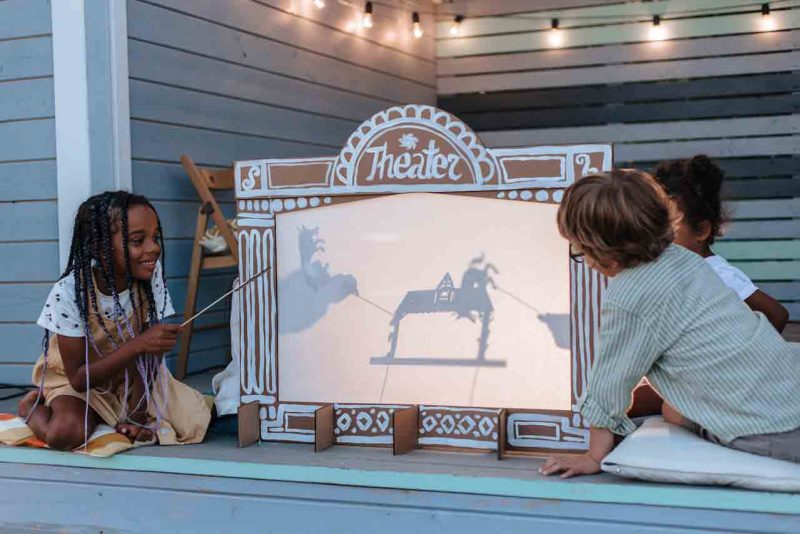
Cut-Out Animation is similar to Stop Motion Animation, but instead of having physical 3D models, 2D character cutouts are placed on a pane to be manipulated frame by frame.
In essence, the techniques or styles of animation have an effect on either the 2D or 3D process of animation in how it is received. This is dependent on what stage of animation the technique is being manipulated in.
The main phases of animation are:
- Modeling / Character Design / Environmental Design
- Rigging
- Animation
- Post-Production
In terms of imagery, how the characters are to be modeled and look in appearance will determine the type of technique, whether it will be computerized with vectors or pixels, or if it will be crafted somehow in the physical space through 3D models or cutouts. When looking at movement, we are determining the Rigging and Animation phase, if each part is going to be recorded and moved via the computer, or if motions will be captured offline to be imported online for registration. Also, if visual effects are needed, is this going to be done using a 2D or 3D engine, and if so, will it move smoothly or require a frame-by-frame structure, either computerized or by hand?
That’s A Wrap
All of these facets rely on understanding the type of animation and techniques to calculate realistic costs and a timeline, with revisions built in at certain phases of the production. If you master this, then you will increase the likelihood of having the desired finished project at or under budget, with as little time wasted.
Saying, “I want an animation done for my ad campaign on social media,” is different from saying, “I want a 2D animation done mostly using vector graphics to create an ad campaign for my social media.” The more descriptive you are with the language of the business, the better your outcome will be.