
ANIMATION
Creating Worlds Within Our World
From hand drawings to computer coding, the process of animation production has evolved. Regardless of these technological advancements, the principles and process of animation remain unchanging. In an ever-growing market, animation, in the form of cartoons, has shown to be a timeless medium to be consumed by people of all age groups. Our process of taking an idea to put behind a screen is also timeless.
Our Animation Process
The Story
A strong screenplay is essential to get the process going in the right direction. If a screenplay is not available, then a “treatment” can also be utilized as a placeholder. Treatments are a brief synopsis of your story idea in about 5 to 6 pages (if it is a feature film). The screenplay is to behave as the blueprint of what we are to expect the world of the story to look like, feel like, and behave. Overall, without a story, animation cannot exist.
Concept Art
From the screenplay, we can go through diverse ideation practices to create concept art. There are four types of concept art that we aim to create:
- Character Design
- Environmental Design
- Action Stills
- Branding
With character design, we focus on our main cast and create illustrations of them in diverse poses. The poses we focus on are frontal, side, back, and, at times, an angled pose. The goal is to get a feel for how the characters will look from different angles, which also helps in the costume design process.
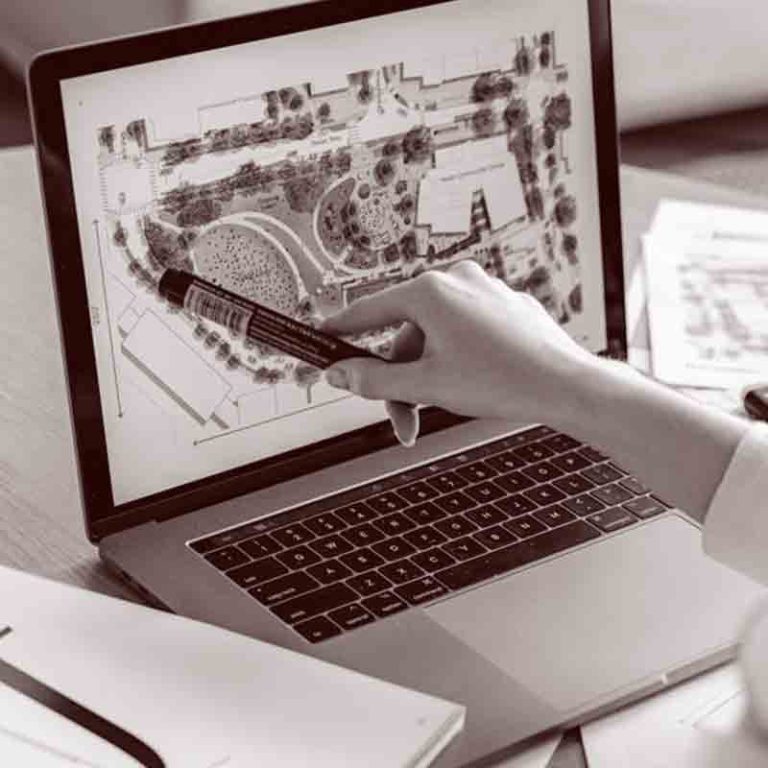
An environmental design is a literal crafting of the world the characters are placed in. Like an architect designing a building, we are creating the look of vast landscapes, cities, objects, vehicles, and even planets. The goal is to craft the locations mentioned in the screenplay, as well as any objects of importance the cast will come across or interact with within the story.
Action stills are designs where we place the characters in the environments that we design. This gives us a sense of how the surroundings affect the look of the character, and it provides us with more insight for further add-ons to be included later.
Lastly, branding consists of designs of how the title logos could look like for the final production and its marketing materials. Usually, the title logos and promotional materials will be handled by your distributor (whether they are domestic or international), though it does not hurt to come up with some ideas to get the creative process going. It is always a great idea to start promoting the project while in the production phase as soon as possible to create buzz about your work. All aspects of concept art can be used to help promote the product and aid with marketing the finished piece of work.
Storyboard
A storyboard is essential for animation (not just film) to give us another blueprint of how things will look and move. A storyboard should illustrate characters, locations, and character and camera movement by drawing arrows within a box. Storyboards can be hand drawn or taken with photos. There are even computer programs that contain all the necessary elements to draft a storyboard by clicking and dragging items to the frame. For best results, less detailed storyboards are more powerful tools for crafting a scene. It can be something as simple as “stick figures,” as long as we have a sense of where the eyes and nose are for the face. The reason why this is ideal is because it gives room for more creativity in the approach of drafting a scene. The saying “less is more” proves to be a profound way of creating a storyboard.
Modeling
Here, we are creating more concrete designs for the final product. We take the concept art from both the characters and environment and digitize them in a software program. Whether it is a 2D or 3D animation, the goal is to mold the look of everything. The reason why we do concept art first is to save time in both the drafting and revision process. Once the concept art is final, the modeling aspects become easier to complete.
Rigging
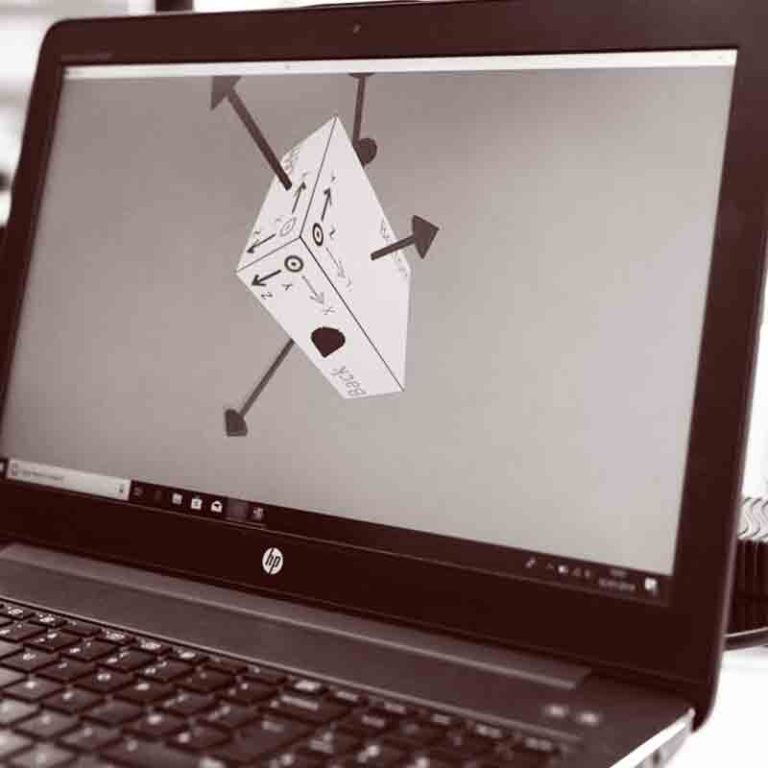
Rigging is the process of taking our 2D or 3D models and giving them a skeleton of sorts, which will help us bend and twist the models to our liking. Knowing human and animal anatomy is handy because you can mimic how a creature or object moves for enhanced realism. Today, technology has gotten so advanced that devices such as motion capture suits are used to capture more seamless and accurate motions of our subject from the modeling phase.
Animatics
Animatics is the most essential part of creating an animation sequence. From the simplicity of the storyboard and modeling and rigging from the earlier stages, animatics provide us with easily editable details for a simplistic view of how a scene should move through time and space within the frame. Animatics are animated movements of linear drawings that represent the characters of our story. This will allow us to evaluate and verify movement and the flow of time before we finalize the overall design, where we can place more detailed versions of our characters in those same positions. This saves us time and money as we work from simplistic to complex. Due to this, a simple storyboard and animatics become two essential tools to be utilized before creating the final draft.
Animation
Once the animatics are approved, we then move to the more detailed animation phase. With animation, we are moving the final models and their rigs (digital skeletons) throughout the frames illustrated by the animatics. Like filling in a coloring book, we are applying the movement and the details in the scenes to bring us closer to the final look.
Post-Production
Post-production is where we begin the finishing touches to our animation. From dialogue, music, foley, sound effects, lighting, and visual effects, we are applying the final elements to achieve the finished product, which is to be placed before our eyes.
Our Code of Ethics
Each stage of animation requires the work of a team of experts at every level to monitor, create, and promote the project from beginning to end. The complexity of the final product depends on the type of style your animation is aiming to achieve. At Ultimate illusions, we aim to create animations that we can be proud of telling and promoting. With all of our original content, we focus on staying true to the characters as they were originally designed. To do this, we do not implant ourselves, propaganda, or anything stemming from special interest groups into our work. We focus on the story itself, the theme, and the characters as they are naturally portrayed, and animation is the primary method we aim to bring their world to life.