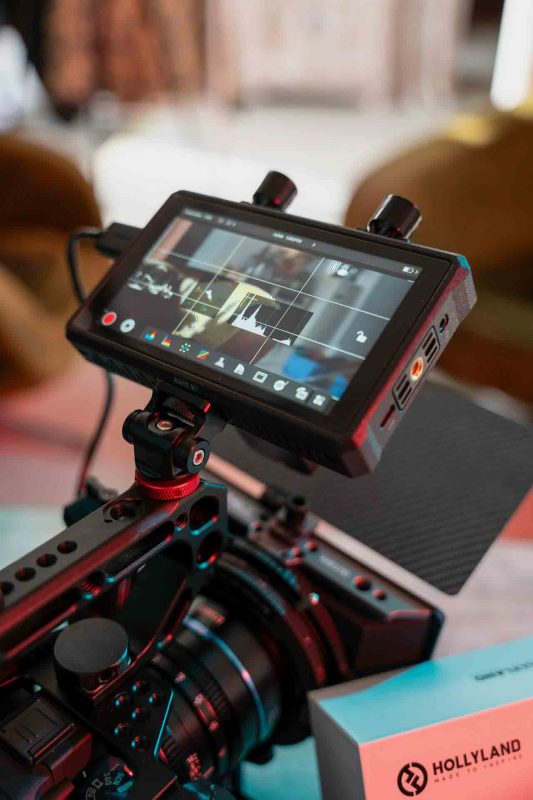
The film industry is experiencing rapid growth, driven by technological advancements and changing audience preferences. With the addition of DEI (diversity, equity, and inclusion) standards, this filter will heavily impact the stories they tell.
Technological Changes in the Film Industry
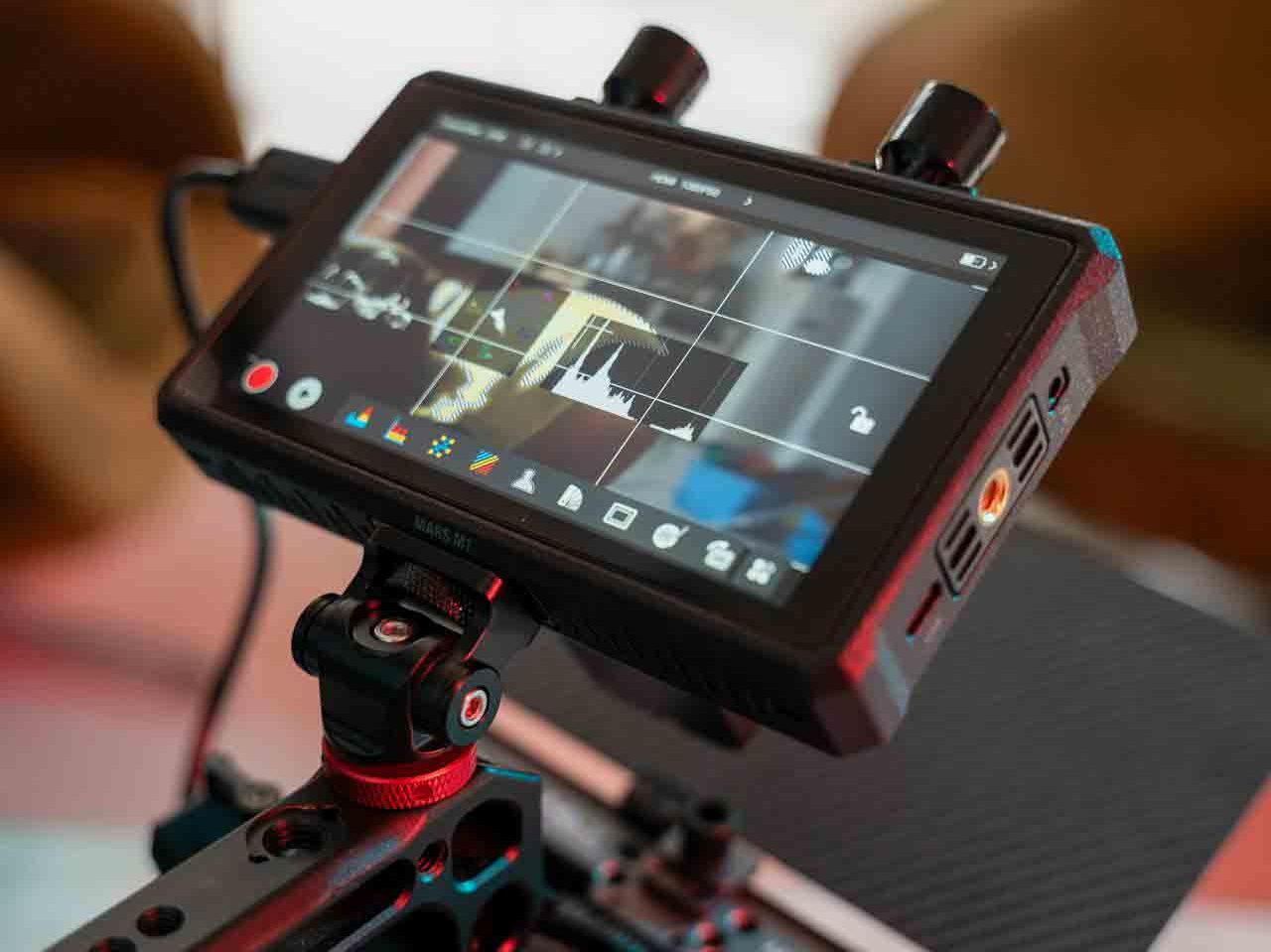
Virtual Production
Virtual production has revolutionized filmmaking by blending computer graphics with live-action footage. This technology allows filmmakers to create complex visual environments in real-time, significantly reducing post-production time and costs. Key features of virtual production include LED walls that display photorealistic backgrounds, real-time rendering of digital environments, and the integration of practical and digital elements on set. This approach not only enhances the creative possibilities for filmmakers but also provides actors with immersive environments that improve their performances.
A.I. and Machine Learning
Artificial intelligence and machine learning are transforming various aspects of film production. AI tools now assist in scriptwriting by generating ideas and refining dialogue. This allows writers to quickly explore diverse narrative possibilities. Machine learning algorithms for visual effects enhance CGI and streamline workflows, making it easier to create stunning visuals while saving time and resources. Additionally, software powered by AI assists editors in assembling rough cuts while suggesting optimal edits. The final result is a more efficient post-production process. These advancements enable filmmakers to focus more on creativity while relying on technology to handle repetitive tasks.
Cloud-Based Collaboration
The industry has embraced cloud-based tools for collaboration among filmmakers, producers, and crew members. Remote editing and post-production workflows have become increasingly common, allowing teams to work together from different locations. Secure file-sharing systems enable easy access to project files from diverse locales and devices. Virtual screening rooms also facilitate remote viewing and feedback sessions, making it easier for filmmakers to share their work with stakeholders regardless of geographical constraints.
Filmmaking Trends
Immersive Cinematography
Cinematographers are pushing the boundaries of visual storytelling with innovative techniques that enhance audience engagement. The use of 360-degree cameras allows for immersive footage that envelops viewers in the cinematic experience. Drone cameras provide cost-effective dynamic aerial shots that capture stunning landscapes from unique perspectives. Additionally, light field photography enables post-production refocusing, giving filmmakers greater flexibility in how they present their visuals. With captivating imagery that draws audiences deeper into the narrative, these advancements prove to empower both filmmakers and their audiences.
Sound Design and Immersive Audio
Technological advancements have improved sound design techniques. Object-based sound mixing allows for more precise audio placement within a film’s soundscape, creating a more immersive auditory experience for viewers. New recording techniques have enabled filmmakers to capture sound in a way that mimics human hearing. This enhancement in realism creates a more enhanced listening experience through headphones, sound systems, and home entertainment systems. Furthermore, adaptive audio systems provide a more personalized sound experience that complements the narrative.
High Frame Rate (HFR) Filmmaking
Filmmakers are experimenting with higher frame rates to create hyper-realistic visuals that enhance action sequences and overall viewing experiences. For example, by shooting at 60 frames per second, smoother motion and increased clarity in fast-paced scenes are possible. This presents exciting opportunities that will push the boundaries of visual storytelling.
Interactive Narratives
The line between film and interactive media is blurring as filmmakers explore new storytelling formats that engage audiences in unique ways. Choose-your-own-adventure films have gained popularity on streaming platforms, allowing viewers to make decisions that influence the narrative’s direction. Virtual reality experiences enable audiences to explore narrative spaces interactively, immersing them in the story world like never before.
Storytelling in the Entertainment Industry
Diversity, Equity, and Inclusion (DEI) in Storytelling
The film industry is making concerted efforts to promote diversity both on-screen and off-screen. There is an increasing focus on stories that represent a wide array of experiences and backgrounds, at the risk of changing the original narrative of most pre-existing content. Most filmmakers are prioritizing hiring practices that ensure diverse voices are included on creative teams while also exploring narratives that delve into what they deem to be underrepresented cultural experiences.
Changes in Award Ceremonies
These changes have become paramount in the selection process for award ceremonies, and viewership although aimed at the general public, will appeal mostly to a very niche audience. Major film organizations are implementing inclusion standards to promote diversity within the industry. The Academy of Motion Picture Arts and Sciences (AMPAS) has established representation and inclusion standards for Oscars eligibility, encouraging studios to prioritize diverse talent both in front of and behind the camera. Similar initiatives by the British Academy of Film and Television Arts (BAFTA) and other international film bodies aim to create a more equitable landscape within filmmaking. Utilizing popular movies, games, and books from the past and present has become the foundation upon which the DEI process will build, causing the industry to produce an increase in reboots, remakes, and sequels.
Challenges Facing the Film Industry
The industry faces challenges related to maintaining artistry amid increasing reliance on digital tools. Filmmakers must ensure that technological innovations enhance rather than overshadow storytelling elements while training crews to adapt effectively to new production techniques. In addition, the challenges the industry faces are:
- Rising Costs for Production
- Distribution
- Piracy
- Legal Issues concerning Intellectual Property and other Agreements
- Securing a Release Date
Due to these factors, prominent film producers and studios seek previously successful forms of entertainment that the public is already familiar with, which they build off of by using a well-known cast, to make its profit. However, with propaganda and interest groups at the helm of their control, as seen through DEI initiatives, the industry would have to rely on star power, a popular narrative, and an expensive budget in hopes of making positive returns.
The Film Industry Moving Forward
The film industry today is characterized by a dynamic interplay of technological innovation, evolving storytelling techniques, politics, and propaganda, as seen through DEI initiatives. As filmmakers embrace new tools and perspectives while redefining cinematic storytelling boundaries through immersive experiences, the main challenge lies in gaining positive reception from a large audience while reaping a positive return on investment. The film industry is adapting to new distribution paradigms as streaming platforms continue their rise in prominence. Simultaneous theatrical releases alongside streaming options have become more common; however, this shift raises questions about long-term implications for box office revenues as well as overall industry growth. While balancing artistry with technological advancements is important amidst shifting distribution models, the ability to stand out from the competition becomes wider, allowing creators more exposure to showcase their craft.